
Choosing an installerStep by step
What Should a Solar Installer in Abu Dhabi Do for You?
EPC means one company designs, supplies and installs your system. Here is the standard to hold an Abu Dhabi EPC to, from Tier-1 equipment to aftercare.
By Basheer Ansari, Managing Director & Co-Founder
3 min readLast reviewed

The short answer
A licensed solar EPC company in Abu Dhabi should design the system from your bills, name the panels and inverter in writing, install and commission it, and look after it afterwards. In Abu Dhabi, systems are zero-export, with hybrid (battery) and off-grid options. Villas typically need 6–25 kWp; business systems run from 25 kWp to 1,000+ kWp.
- typical villa system size in Abu Dhabi
- 6–25 kWp
- business systems, priced per site
- 25–1,000+ kWp
On this page4 sections
- typical villa system size in Abu Dhabi
- 6–25 kWp
- business systems, priced per site
- 25–1,000+ kWp
What should the installer do, step by step?
A complete installation is six pieces of work. Ask each bidder who does each one.
Step 1: Design
- Your installer
- From your bills
A load study from your bills, sizing, a roof layout, string design and, for a hybrid system, the battery sizing.
Step 2: Equipment named in writing
- In the proposal
The panel and inverter brands in the proposal, with Tier-1 inverters such as Huawei. Cabling, connectors and aluminium mounting are specified to match.
Step 3: Installation
- Your installer's crew
Mounting suited to the roof structure, tidy AC and DC routing, weatherproofing and the right protection devices.
Ask every bidder who does each of the six pieces of work, and get the answer in writing.
Step 4: Battery, where you want one
- Optional
Backup for outages, evening use, or an off-grid design for a farm.
Step 5: Testing and commissioning
- Before handover
Performance tests, monitoring set up in an app, and a walk-through of how to read it.
Step 6: After-care
- For the life of the system
Cleaning, inspections, inverter checks and a named contact. See maintenance and care.
- EPC
- Engineering, procurement and construction: one company designs, supplies and builds the system, and answers for it.
How are Abu Dhabi systems designed?
In Abu Dhabi, systems are zero-export, with hybrid (battery) and off-grid options. The system is sized to the load you use while the sun is up; a battery moves the surplus into the evening. On the published TAQA tariff, an expat villa pays about 26.8–30.5 fils/kWh, and every unit solar replaces is worth that much.
For the numbers by emirate, see solar costs by emirate; for batteries, the solar battery guide.
- Zero-export
- A system sized and controlled so that no power flows back into the grid.
- DoE
- The Department of Energy, Abu Dhabi's regulator; ADDC and AADC under TAQA distribute the power.
Why choose a licensed solar EPC company?
- Sizing from your real consumption, so the system is neither too small nor oversold
- Installation to UAE electrical rules
- Tier-1 components with warranties registered in your name
- Experience with hybrid and off-grid designs
- Support after switch-on
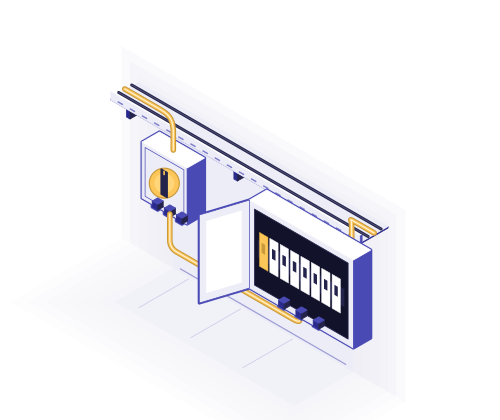
What does Solar Oasis install in Abu Dhabi?
Villas: typically 6–25 kWp, on the roof or a carport, with hybrid (battery) options and off-grid farm systems.
Businesses: 25 kWp to 1,000+ kWp, priced per site, for warehouses, factories, accommodation and retail, with hybrid options where the site needs them.
Every system is designed to your utility's current rules: DEWA, SEWA, TAQA or EtihadWE. Installation is by our team, in all seven emirates.
Keep reading
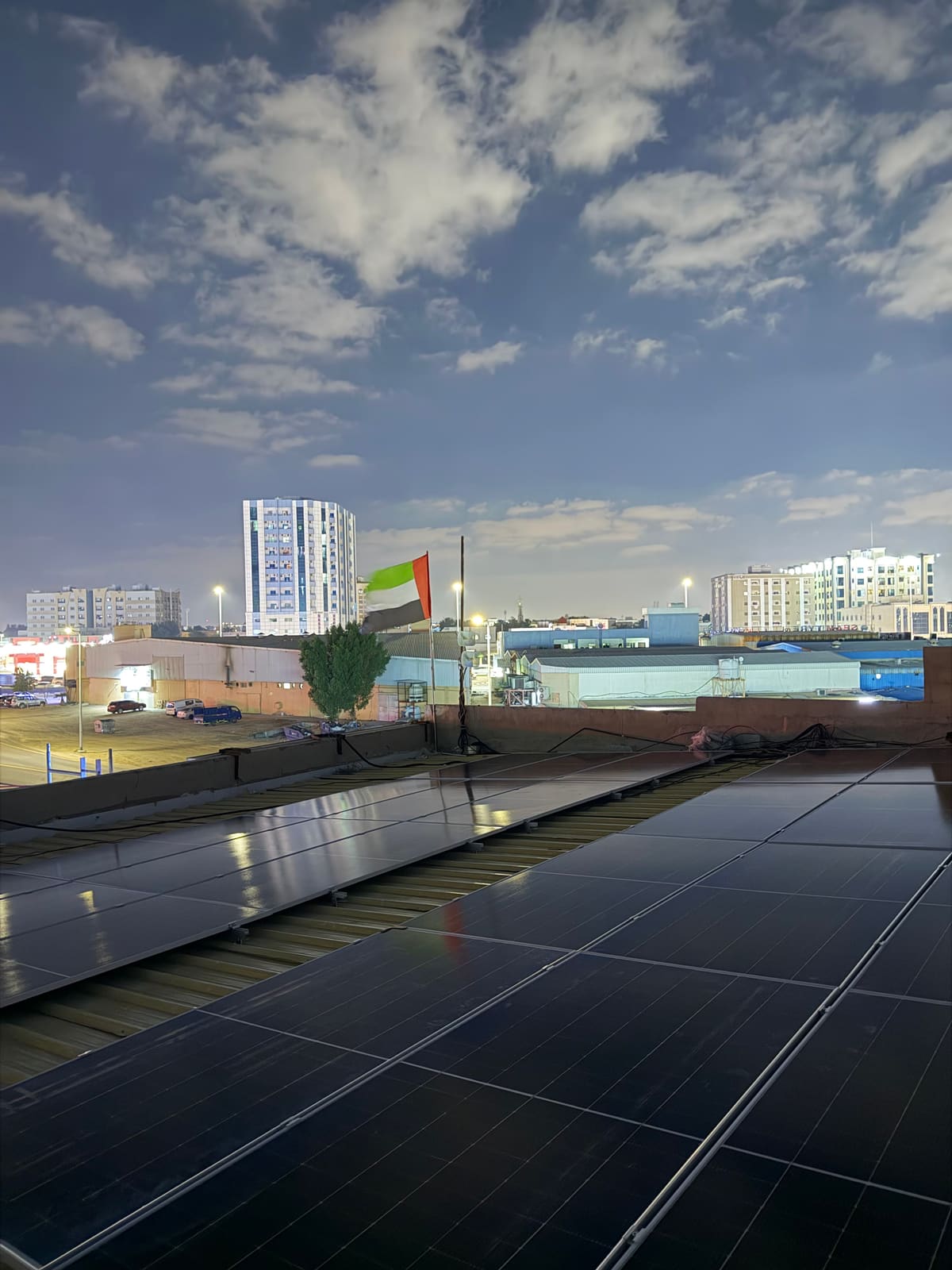
- How to Choose a Commercial Solar Provider in the UAEA checklist for choosing a commercial solar provider in the UAE: proven systems, named components, utility approvals, an honest savings model and aftercare.
ComparisonChoosing an installer4 min readReviewed
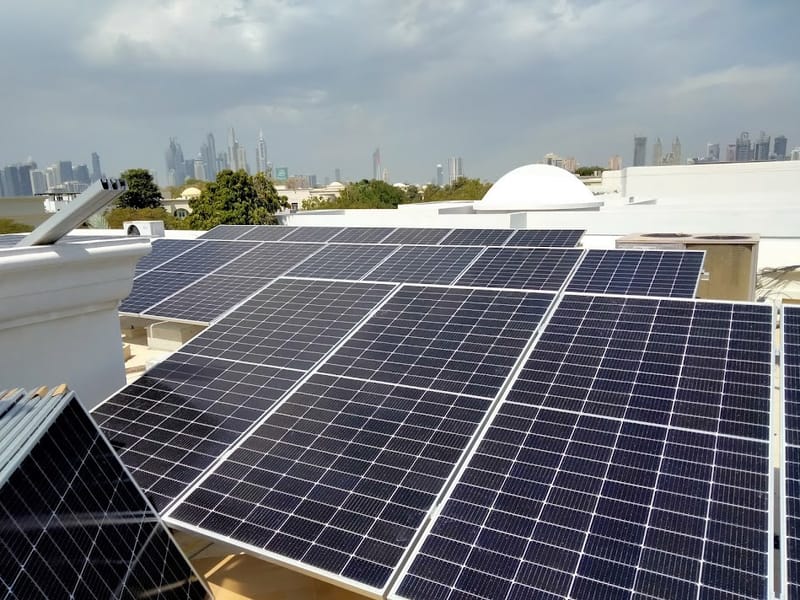
- How Does Shams Dubai Approval Work, Step by Step?Every step of DEWA's Shams Dubai process, from eligibility and NOCs to net metering, timelines and costs, explained in plain English.
Step by stepApprovals and rules6 min readReviewed
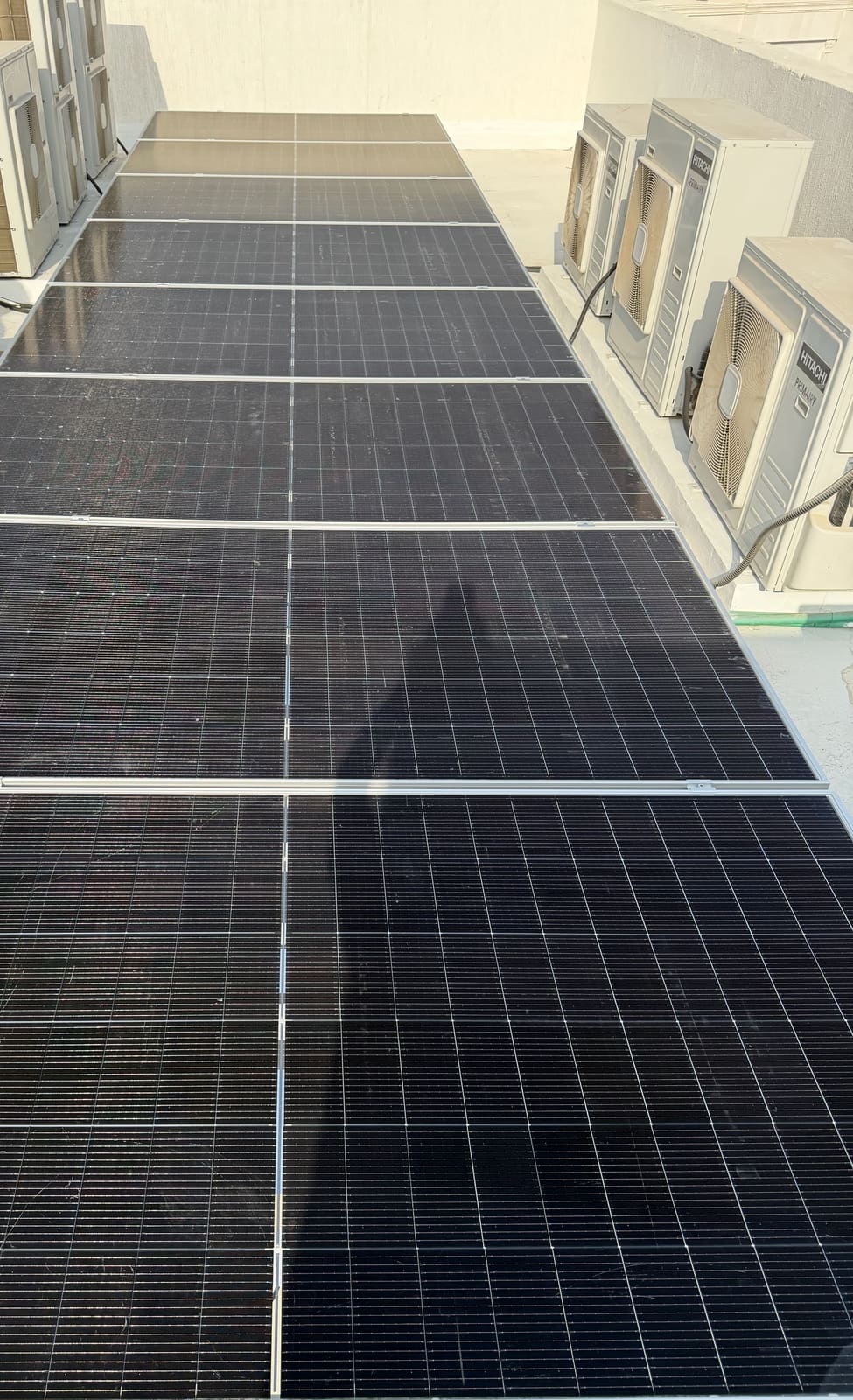
- What Does Solar Cost in Each Emirate?We work out the savings maths from the tariffs in Dubai, Abu Dhabi and the Northern Emirates, and show what it means for your villa or business in 2026.
CostsCosts and incentives5 min readReviewed


Building in Abu Dhabi? Send one bill and we'll size it.
Your bill has the answer. Calculate your savings now, or WhatsApp us your bill and a real person reads it. Then book your free site survey & energy check.