
Choosing an installerComparison
How to Choose a Commercial Solar Provider in the UAE
A checklist for choosing a commercial solar provider in the UAE: proven systems, named components, utility approvals, an honest savings model and aftercare.
By Mujtaba Ali, Co-Founder & Director
4 min readLast reviewed

The short answer
Choosing a commercial solar provider in the UAE comes down to six checks: systems like yours already built, named components, a design to your utility's rules, a savings model built on your own bills, monitoring you can see, and someone accountable after switch-on. Use the checklist below with every bidder, us included.
- business systems, priced per site
- 25–1,000+ kWp
On this page4 sections
- business systems, priced per site
- 25–1,000+ kWp
What should you check before you sign?
Run these six checks with every bidder, and ask for each answer in writing.
- Systems like yours, shown: ask for commercial systems of your size and type (warehouse, factory, retail, farm) and what they produce today.
- Named components: the panel and a utility-approved inverter, each named in the proposal with its warranty. If a bidder won't name brands, ask why.
- A design to your utility's rules: each utility sets its own requirements. Ask who prepares the drawings, who submits them and who attends the inspection.
- A savings model built on your bills: the saving should come from your own consumption and tariff, with every assumption written down.
- Monitoring you can see: production in an app from day one, so you can check the system against the proposal yourself.
- After-care with a name on it: planned cleaning, inspections and warranty claims, and one contact who answers when something isn't right.
- kWp
- Kilowatt-peak: an array's rated output in full sun. Business systems run from 25 kWp to 1,000+ kWp, priced per site.
- Monitoring
- An app showing what the system produces, so you can check it against the proposal.
What does a strong bid look like?
Put two bids side by side and the differences show quickly:
A bid to shortlist
- Systems like yours
- Named commercial systems, with what they produce
- Components
- Panel and inverter named, with warranties
- Utility rules
- Who prepares, submits and attends the inspection
- Savings
- Worked from your own bills and tariff
- Monitoring
- An app from day one
- After-care
- A named contact and a schedule
Suits: Shortlist it, and get it in writing
A bid to question
- Systems like yours
- Renders and promises
- Components
- "Tier-1" with no brand
- Utility rules
- No clear answer
- Savings
- A generic percentage
- Monitoring
- Not mentioned
- After-care
- Not mentioned
Suits: Ask why before you sign


What should you ask every bidder?
- Have you built commercial systems of this size, and can we see one?
- Which panel and inverter brands will you use, and what do their warranties cover?
- Who prepares and submits our utility's approvals, and who attends the inspection?
- How did you calculate our saving and payback, and what did you assume?
- How is the system monitored, and who watches it?
- Who cleans and maintains it, and how often?
For the components themselves, see our guides to solar panel brands and solar batteries. For care after switch-on, see maintenance and care.
Where does Solar Oasis fit?
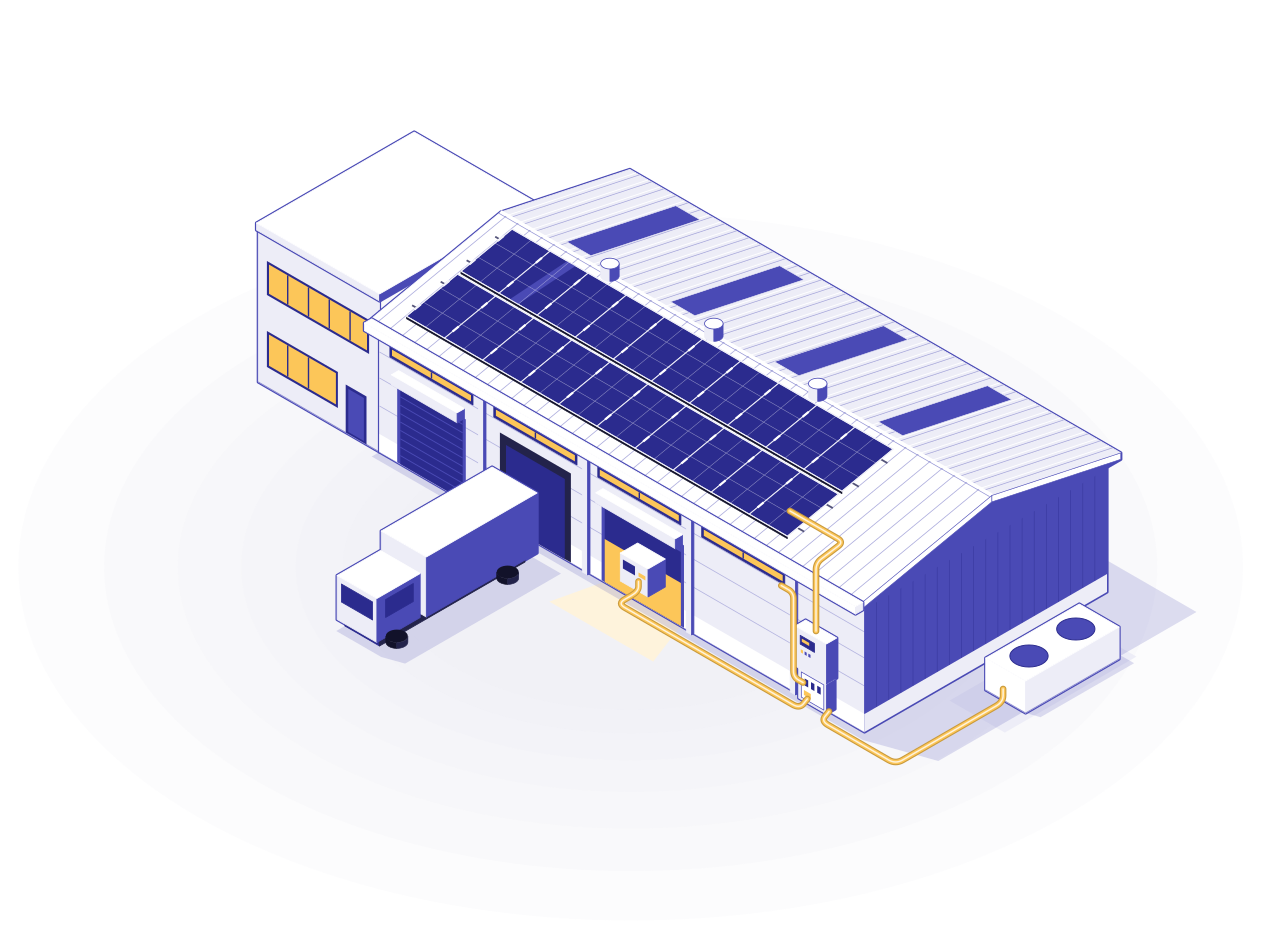
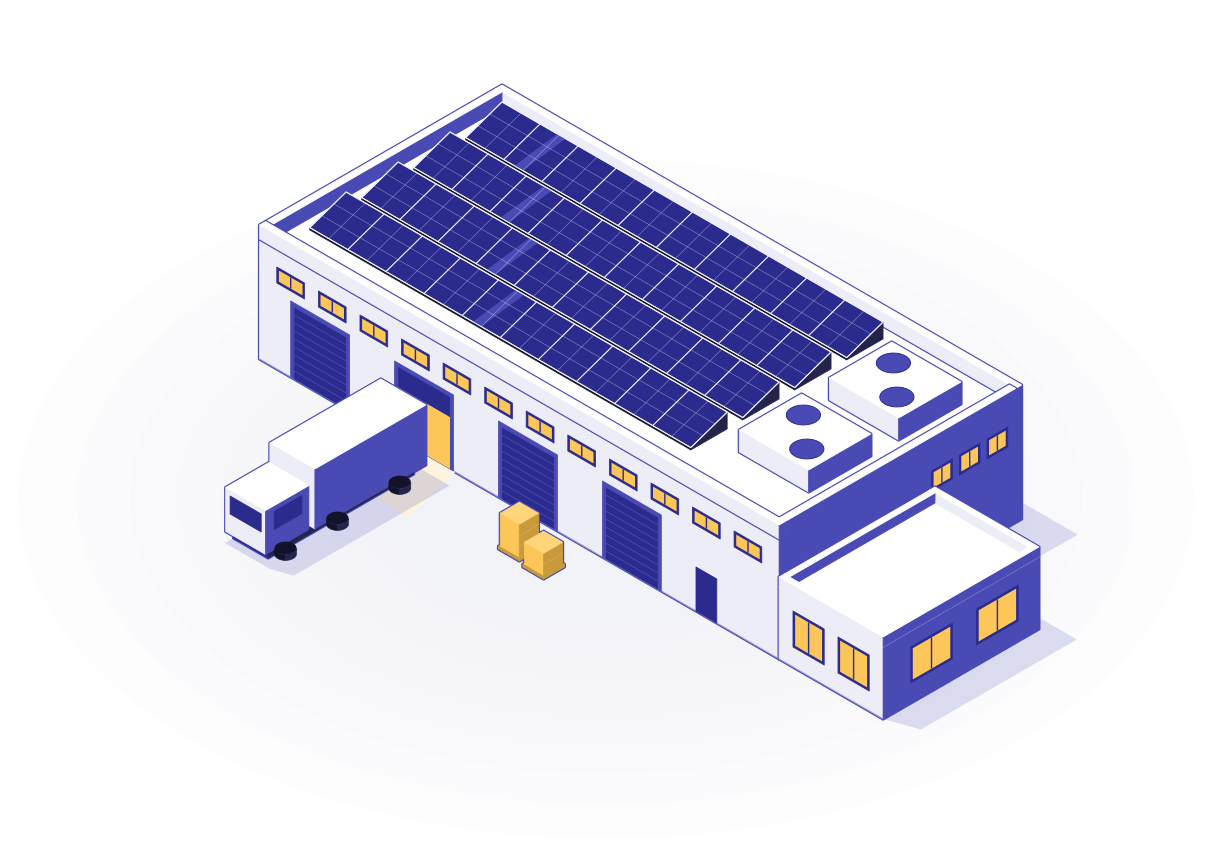
How Solar Oasis fits: we design business systems from 25 kWp to 1,000+ kWp across all seven emirates, with installation by our team. Every proposal names the panels and inverter and models the saving from your own bills and tariff. Every system is designed to your utility's current rules: DEWA, SEWA, TAQA or EtihadWE. The price on your proposal is the price you pay: utility approvals included. Municipality fees and community NOCs are paid by the owner. Ask us the six questions above: you'll get the answers in writing.
Keep reading
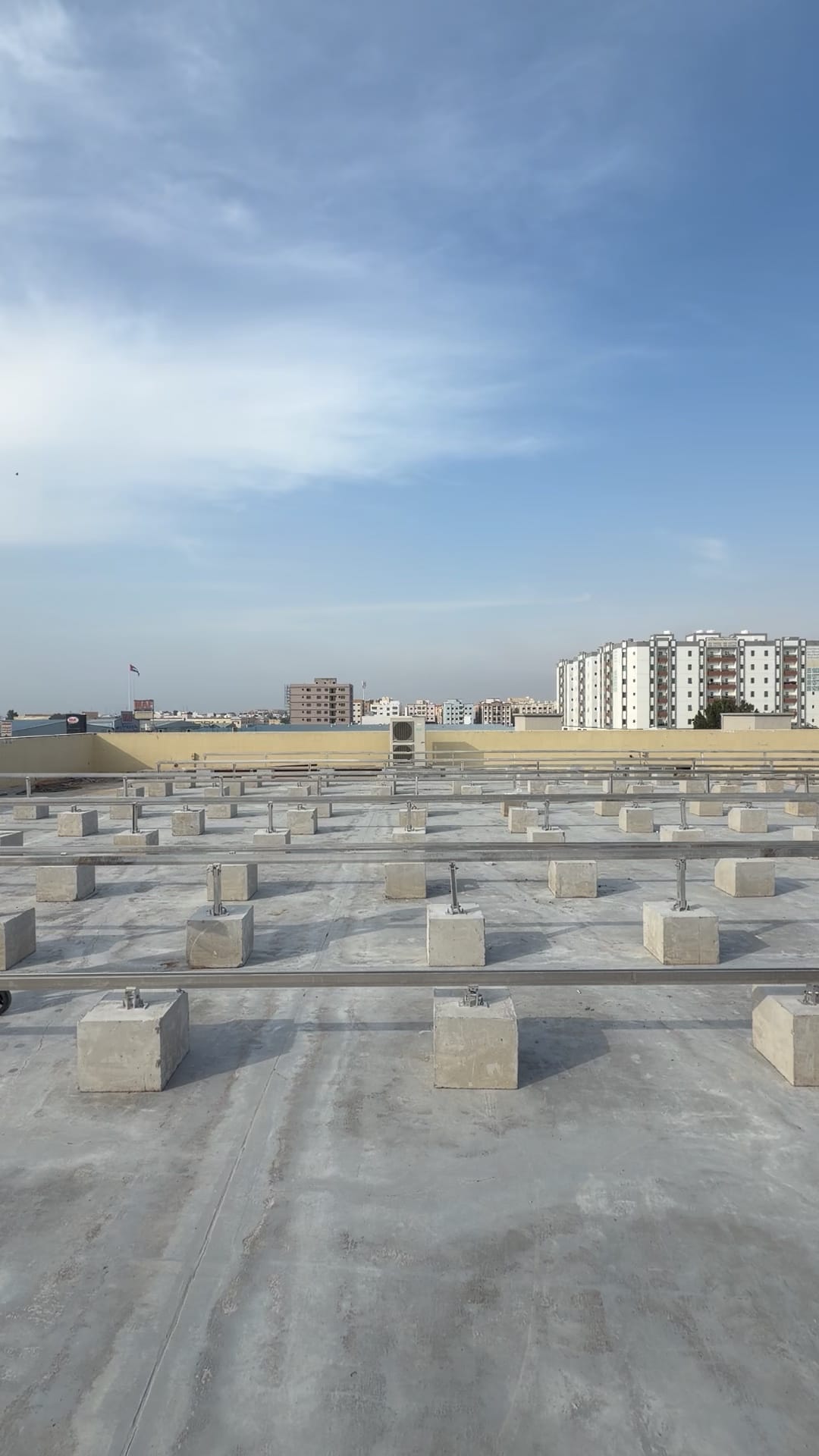
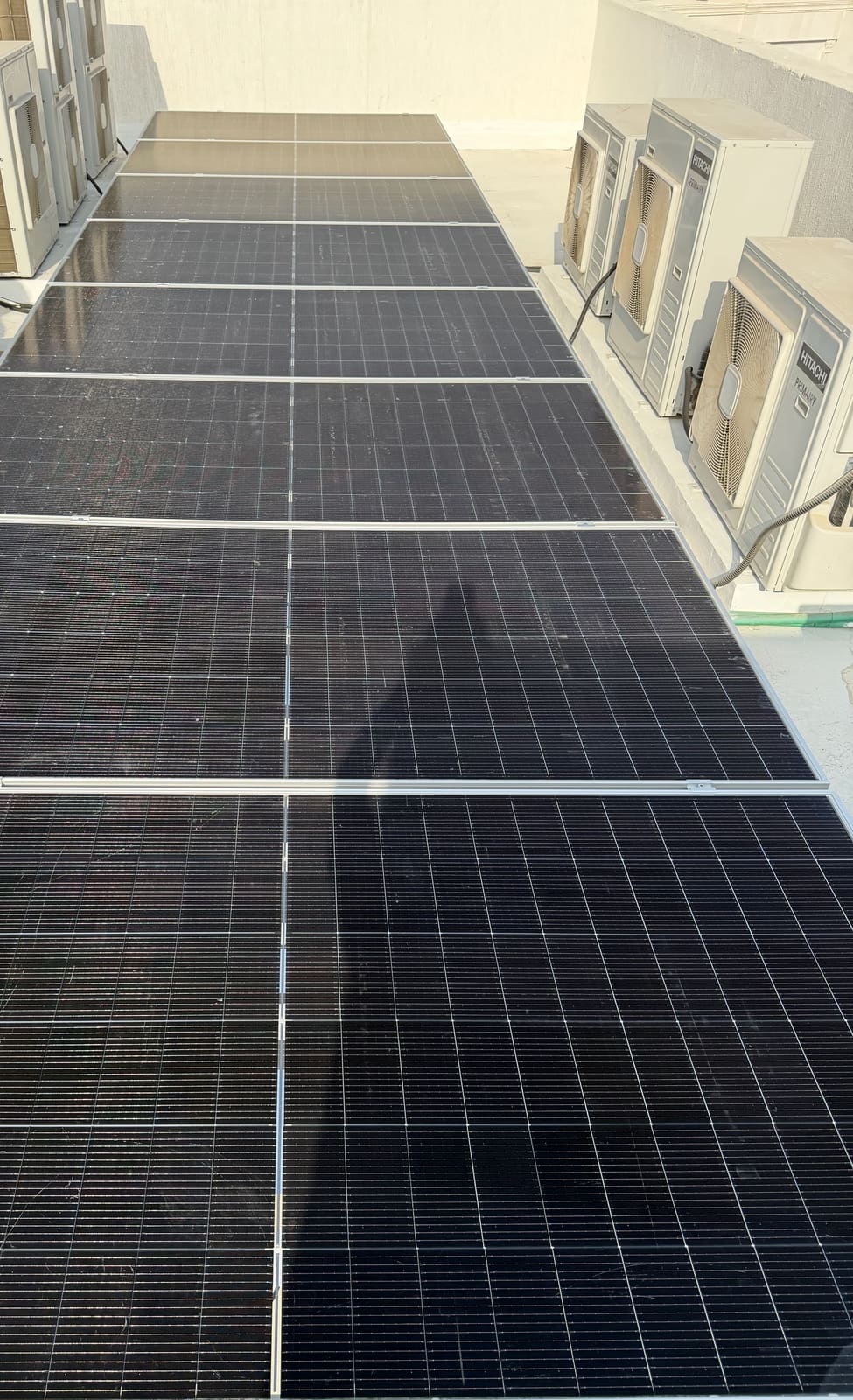
- What Should a Solar Installer in Abu Dhabi Do for You?EPC means one company designs, supplies and installs your system. Here is the standard to hold an Abu Dhabi EPC to, from Tier-1 equipment to aftercare.Photo: our project in Ajman
Step by stepChoosing an installer3 min readReviewed
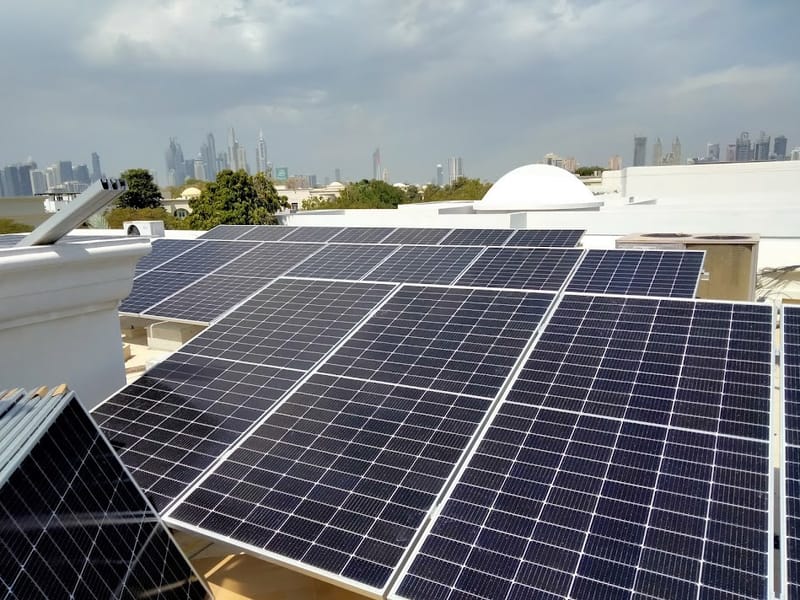
- How Does Shams Dubai Approval Work, Step by Step?Every step of DEWA's Shams Dubai process, from eligibility and NOCs to net metering, timelines and costs, explained in plain English.
Step by stepApprovals and rules6 min readReviewed
- What Does Solar Cost in Each Emirate?We work out the savings maths from the tariffs in Dubai, Abu Dhabi and the Northern Emirates, and show what it means for your villa or business in 2026.
CostsCosts and incentives5 min readReviewed


Ask us the six questions. You'll get the answers in writing.
Send us your bills: satellite assessment, no site visit for the first quote. Or WhatsApp us your bill and a real person reads it.